




Product parameters
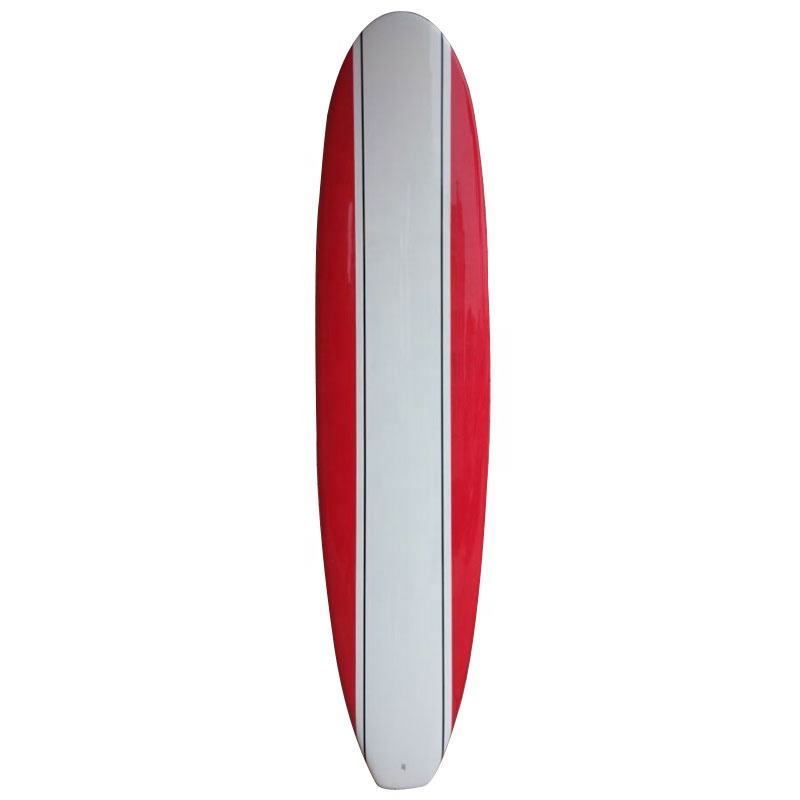
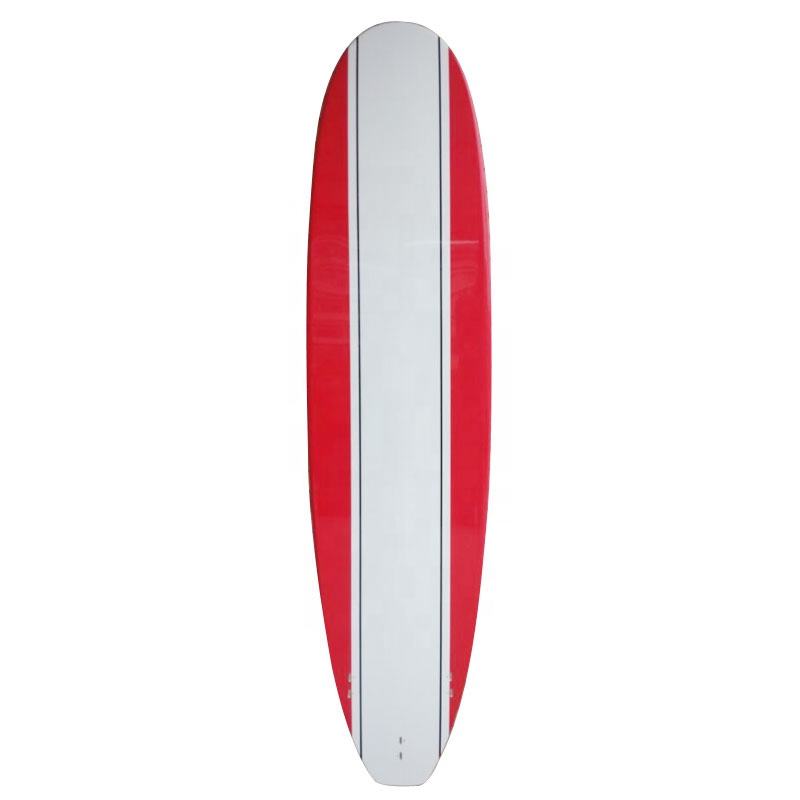
MINIMAL SURFBOARD 710 EPS FOAM CORE EPOXY SURF BOARD
| Item Name | 710 Eps Foam Core Epoxy Surf Board |
| Material | EPS foam+ Epoxy Paint |
| Design | flat tail |
| Size | 7’10” ft Length X 22” inch Width X 2 3/4” Thickness |
| Finished | Matt / Polished |
| Accessories | Black Plastic fins + diamond deck pad |
| Process | AKU Shape blanks |
A unique design element of this board is its striking color scheme: the two sides are coated in bold red spray paint, while the center remains clean with a white finish. This symmetrical color design not only enhances the board’s visual appeal but also emphasizes its streamlined shape, promoting both style and precision. Whether you’re catching waves or showing off on the beach, this board ensures both aesthetic appeal and top-notch functionality.
Perfect for those seeking a minimalist yet powerful ride, the Minimal Surfboard 710 delivers on both form and performance.
Deciding whether to buy your own surfboard or rent one depends on several factors. Here’s a breakdown to help you assess which option offers better value:
1. Frequency of Surfing
1) If you surf regularly (e.g., at least a few times per month), buying your own board is typically more cost-effective. While the initial investment is higher, over time you’ll save on rental fees, especially if you’re going to be surfing frequently.
2) If you surf occasionally (e.g., a few times a year on vacations), renting is likely the better option. Rental fees are lower for occasional use, and it might not make sense to purchase a board that you won’t use frequently.
2. Cost of the Surfboard
1) Buying a Surfboard: Surfboards can range from a few hundred to a few thousand dollars, depending on the brand, materials, and type of board. You’ll also need to consider ongoing costs like maintenance and repairs.
2) Renting a Surfboard: Rental prices are typically around $20 to $50 per day, depending on location and board type. Renting can be more affordable in the short term, but if you surf regularly, rental costs will add up over time.
3. Storage and Transportation
1) Buying a Surfboard: Once you own a board, you’ll need to figure out storage and transportation, especially if you don’t live near the beach. Transporting a surfboard might require a roof rack or specialized board bags.
2) Renting a Surfboard: Renting a board eliminates the need for storage and transportation. The rental shop takes care of it, so you don’t have to worry about how to transport the board.
4. Board Customization
1) Buying a Surfboard: When you buy a surfboard, you can choose one that fits your skill level and surfing style. As your skills progress, you can upgrade or replace your board to match your evolving needs.
2) Renting a Surfboard: Rental shops typically offer a limited selection of boards, and you may not always get the best fit for your skill level or preferences.
5. Maintenance and Care
1)Buying a Surfboard: With your own board, you’ll need to maintain it, check for cracks or dings, and ensure it stays in good condition.
2) Renting a Surfboard: Rental shops handle the maintenance of the boards, so you don’t have to worry about repairs or upkeep.
Summary:
1,Buying a Surfboard: If you plan to surf regularly, owning your board is generally more cost-effective in the long run. You’ll save on rental fees and have a board tailored to your needs.
2,Renting a Surfboard: If you’re a casual surfer or only surf occasionally, renting makes more sense. It’s a lower initial cost and eliminates the need for storage and transportation.
If you’re not sure how often you’ll be surfing, try renting a few times to see if you’re committed to the sport before deciding to invest in your own board.


Reviews
There are no reviews yet.